
Understanding Somatic Healing
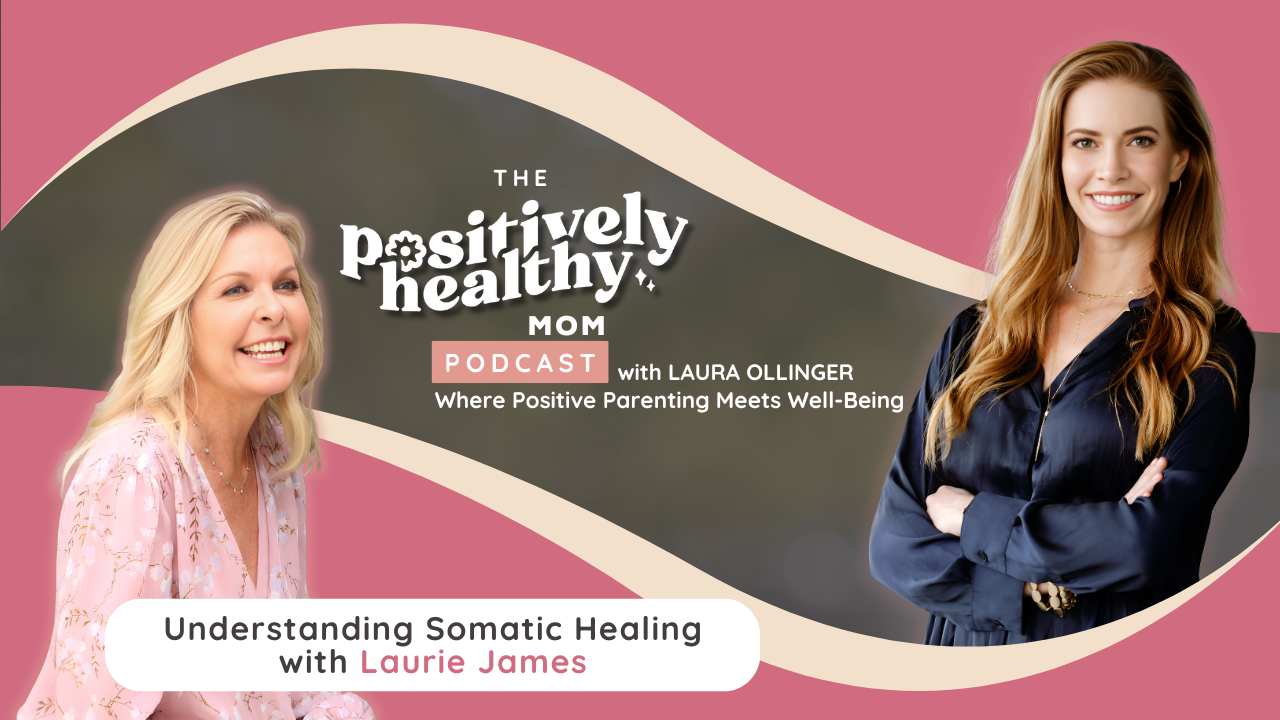
In our high-speed, productivity-obsessed world, mothers are often celebrated for being "doers"—juggling parenting, work, household logistics, and even caregiving. This relentless pace pushes our bodies into a constant state of stress, which certified somatic practitioner and author Laurie James calls dysregulation.
I spoke with Laurie James, who blends coaching and somatic training to help women heal and rebuild their lives. Her journey, which included raising four daughters, caring for an elderly parent, navigating divorce, and eventually experiencing a health crisis, taught her a crucial lesson: you must listen to your body, or it will eventually force you to shut down.
The Toll of Stress: When the Body Shuts Down
Laurie's personal experience is a powerful example of what happens when the body's natural stress response is never fully completed. Despite external life improvements, her body, which had been living in survival mode for years, finally crashed, leading to multiple hospitalizations, severe anemia, and six months of recovery.
The Warning: Her body was signaling, "This is too much. I am shutting you down so you can rest."
The Somatic Connection: Somatic work (derived from the Greek word soma, meaning body) focuses on understanding the sensations in the body, which are the language of the nervous system.
When we experience stress—whether it's hearing bad news, a demanding schedule, or a traumatic memory—our nervous system signals danger.
The Stress Response Cycle
When a perceived threat occurs, our sympathetic nervous system kicks in, activating the fight, flight, or freeze response.
The newest, longest nerve in our body, the Vagus nerve, is connected to all our organs (including the gut, hence the "gut response") and sends signals to the brain.
If we stay in this heightened sympathetic state for too long—always rushing, always doing—our bodies move into shutdown, a protective state that can manifest as chronic pain, anxiety, phobias, or physical illness.
The Goal: Somatic healing teaches us how to complete the threat response cycle by noticing and staying with uncomfortable sensations, allowing the nervous system to return to a balanced state (homeostasis).
Simple Somatic Tools for Everyday Regulation
We need to treat our nervous systems like a roller coaster, allowing it to move up into action and then back down into rest and digest throughout the day. Here are proactive and reactive practices you can implement immediately:
1. Proactive Nervous System Regulation (Daily Habits)
These exercises help regulate the nervous system to prevent chronic stress and burnout.
Mindful Grounding: When sitting in your car or at a meeting, pause for a minute. Notice where the chair supports your body, where your feet touch the ground, and simply observe any sensations (tightness, tingling) without judgment.
Present & Pleasant Check-In (Orienting): This is a great exercise to do first thing in the morning. Just look around the room and let your eyes land on anything that is pleasant or present (a plant, a picture, a pleasing color). This signals to the nervous system that you are safe.
Nature Break: Take a few minutes to be outside without your phone or sunglasses. Use your five senses to slow down: What do you see, hear, smell, taste, and feel? This is instantly calming.
Avoid the Alarm Shock: Alarm clocks, especially the snooze button, create a shock and trauma to the nervous system. Aim to wake up naturally or with natural light, giving your body time to adjust to the day.
2. Reactive Somatic Practices (When You Feel Activated)
These techniques help you downregulate when you feel tightness, anxiety, or overwhelm in the moment.
The Voo Sound: A simple exercise that affects the Vagus nerve, signaling safety to the brain.
Take a deep breath in.
Exhale with a deep, prolonged "Vooooooo..." sound, feeling it in your diaphragm.
Repeat three times and notice the sensations in your body afterward. This can be done anywhere—in the shower or in your car.
Staying with the Feeling: When you get a restriction or a "pit in your stomach," your nervous system is signaling perceived danger based on past experience (neuroception). Instead of moving away from the feeling (which keeps the trauma "stuck"), stay with the feeling without judgment. By allowing the sensation to complete and dissipate, you complete the threat cycle and teach your nervous system that you are safe.
Developing a Relationship with Your Body
Ultimately, somatic healing is about developing a deep, intuitive relationship with your body.
The Self-Awareness Shift: When you slow down and check in, you become more in tune with your needs. This self-awareness is the first step toward correcting negative patterns, like people-pleasing or overriding your body's clear warnings.
Healing Without the Story: Somatic work, pioneered by figures like Peter Levine and Gabor Maté, allows you to heal past trauma and "stuck" threat responses by working directly with the body's sensations, rather than having to repeatedly recount the traumatic story.
By learning to self-regulate in small, tolerable steps, you can move toward being more authentically yourself, creating inner freedom, and experiencing more joy.
Connect with Laurie James
You can find Laurie's resources and free somatic guide here:
Website: www.laurieejames.com
Free Resource: Beginner's Guide to Somatic Healing
Meditation: Find Laurie on the Insight Timer app