
The Win You Don’t Want to Skip Over
Believing you can grow is step one. Recognizing that you already are? That’s the part nobody talks about.
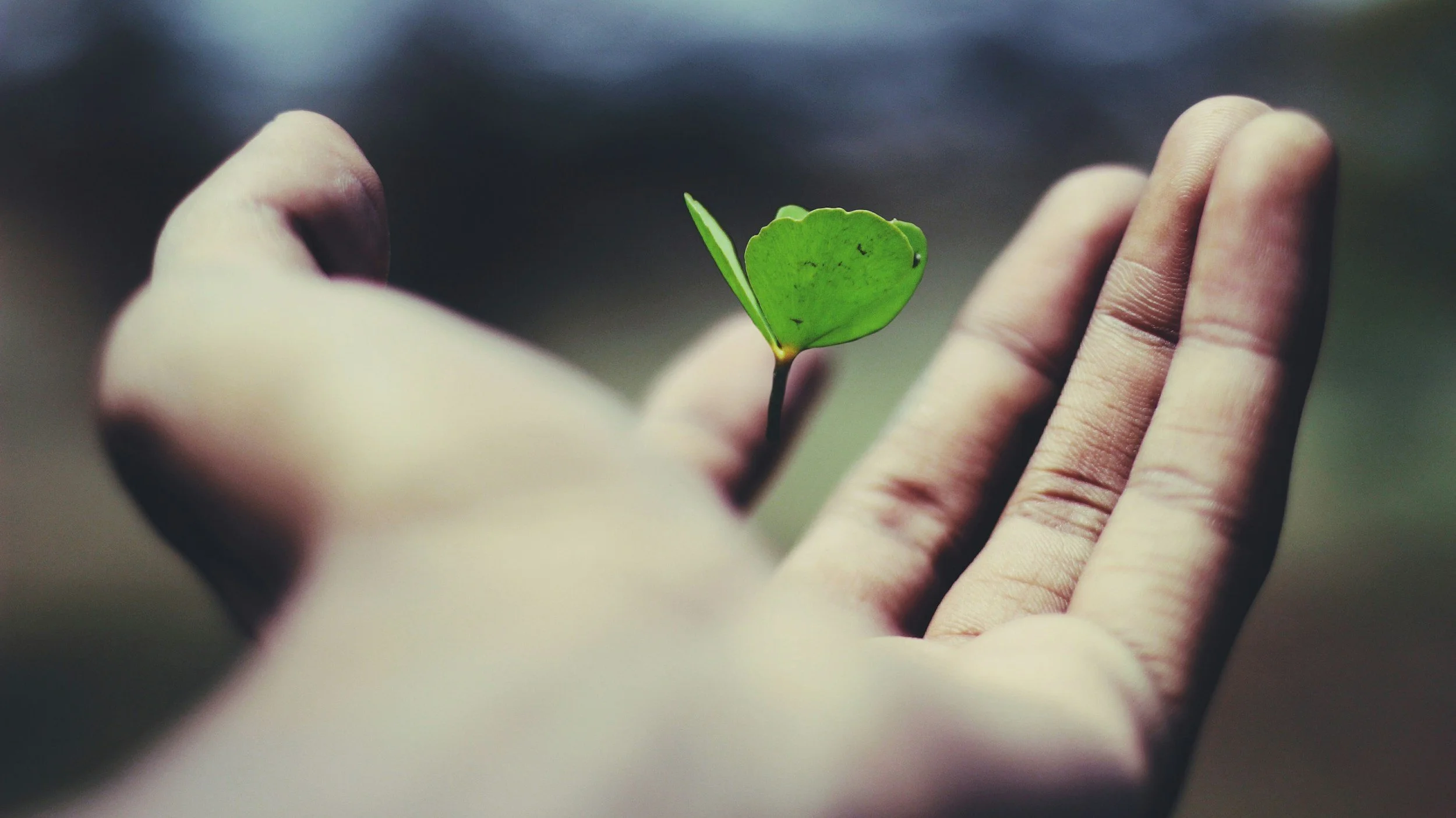
I have a vivid memory from growing up that I've been thinking about a lot lately.
Every time report cards came out, my sisters and I were called in one by one to sit on the couch between my parents. It was a whole thing. I was never a straight-A student — my report cards were a mix of A's, B's, and the occasional C. And every single time, without fail, my parents would look at my grades and say:
“Just keep doing your best.”
I cannot overstate how much I needed to hear that. No shame, no pressure, no comparisons. Just: your effort is enough. That was a gift my parents gave me, and I carry it with me to this day.
But here’s what I’ve realized as an adult, and especially as a coach: somewhere along the way, I learned how to keep going - but I never quite learned how to stop and celebrate. I was so focused on effort and forward motion that the wins - the real, meaningful, hard-earned ones - just kind of slipped past me without ever really landing.
My parents gave me a beautiful foundation. And I think a lot of us are the same - raised with love and good values, and still somehow missing this one piece: how to actually receive our own progress.
That’s what this post is about.
Let me ask you something honest: When is the last time you stopped and actually celebrated something you did? Not a big milestone. Just a regular Tuesday where you held it together, showed up for your kid, and maybe even grew a little bit in the process?
If you’re like most of the parents I work with, the honest answer is: not recently. We are a culture of forward motion. Always striving, always asking what’s next? And while ambition is beautiful, when we can’t pause to acknowledge where we are, we end up on a hamster wheel — exhausted, vaguely dissatisfied, and wondering why the finish line keeps moving.
This is true for us as parents. And it’s especially true for our teenagers.
What Is a Growth Mindset?
You’ve probably heard the term growth mindset - the idea, developed by psychologist Carol Dweck, that our abilities aren’t fixed. We can develop them through effort, strategy, and learning from mistakes. This is the opposite of a fixed mindset, which says “I’m either good at this or I’m not.”
But here’s where I think we sometimes get growth mindset wrong: we turn it into another pressure. Another reason to feel like we’re not doing enough.
True growth mindset isn’t just about pushing harder. It’s about noticing the growth that’s already happening. It’s the ability to look back at who you were six months ago and recognize: I have changed. I have learned. I am not the same person I was.
That recognition? That’s not complacency. That’s fuel.
The Science Behind Celebrating Small Wins: Self-Efficacy
Positive psychology gives us a concept called self-efficacy - your belief in your own ability to succeed. Coined by psychologist Albert Bandura, it’s one of the strongest predictors of whether someone will pursue a goal, persist when things get hard, and recover from setbacks.
Here’s what’s fascinating: the number one way to build self-efficacy is through mastery experiences - which is a clinical way of saying: doing something and recognizing that you did it.
Not doing it perfectly. Not doing it better than someone else. Just doing it - and noticing.
When we skip the celebration and go straight to the next goal, we rob ourselves of that mastery experience. And over time, no matter how much we accomplish, we feel like we’re never making progress - because we’ve trained our brains not to register it.
This is the hamster wheel. And it’s exhausting.
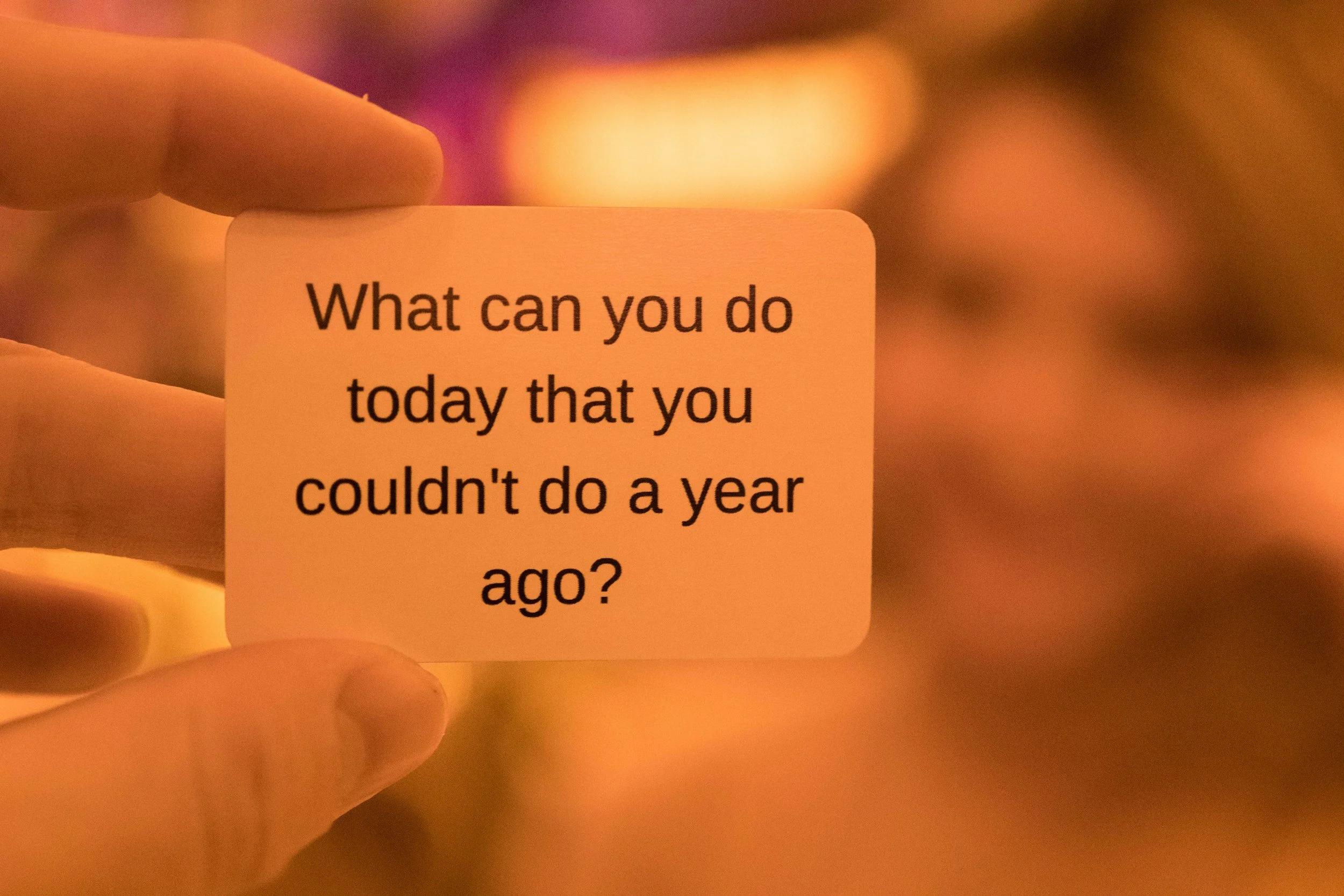
Holding Space for Both: Where You Are AND Where You’re Going
Celebrating small wins doesn’t mean you stop wanting to grow. It doesn’t mean you settle. It means you practice what I call grounded momentum - moving forward from a place of acknowledgment rather than anxiety.
If you’re always staring at the gap between where you are and where you want to be, you are going to feel behind. Constantly. Even when you’re doing amazing things.
But if you can hold both - I am proud of how far I’ve come AND I’m excited about where I’m headed - that’s where sustainable growth actually lives. That’s the sweet spot between contentment and ambition.
What This Looks Like in Real Life (For You)
Here are some small but meaningful ways to start practicing this:
The Friday Reflection: At the end of each week, write down three things you did that moved the needle - big or small. Not what you failed to do. What you actually did.
The 6-Month Look Back: Ask yourself: What was hard for me six months ago that feels easier now? Where have I quietly grown? You might be surprised.
Say It Out Loud: There is something powerful about verbalizing a win — even to yourself in the car. “I handled that hard conversation well. That was growth.” Let it count.
Resist the Immediate Pivot: When you finish something, before jumping to what’s next, pause. Even for 30 seconds. Just acknowledge: I did that.
Now, What About Your Teen?
Here is what I know for certain: our teens are absorbing our relationship with achievement whether we narrate it or not.
My parents had wonderful intentions - and they did so much right. But “just keep doing your best” is a beautiful message about effort. It’s not the same as “look how far you’ve come” or “that thing you did last week? That was real growth.” Both messages matter. And if our kids are only getting one of them, they may grow up exactly like I did: resilient, hardworking, and quietly unsure of whether any of it is ever enough.
Teenagers are in the most identity-formative years of their lives. They are building a story about who they are and what they’re capable of. If we want them to have a healthy relationship with growth — one that doesn’t collapse into perfectionism or anxiety - we have to model what that looks like.
Practically, this means:
Celebrate your own wins out loud in front of them. “I’m really proud of myself for finishing that project.” Let them hear it.
Notice their progress, not just their performance. “I noticed how you handled that situation differently than you would have last year. That’s real growth.”
Name the process, not just the outcome. Instead of “You got an A,” try “I saw how hard you worked for that. That effort is what matters.”
Have a “wins conversation” at dinner. Go around the table and share one thing each person did that week they want to acknowledge — however small. This rewires the whole family’s attention toward growth.
Growth Without Burnout Starts Here
I don’t want you, or your teen to hustle through life feeling like you’re never enough. That’s not a growth mindset. That’s just anxiety in productivity clothing.
Real growth mindset says: I am a work in progress AND I am already worth celebrating. Both things are true at the same time.
My parents gave me “just keep doing your best.” That was a gift. Now I’m giving myself - and hopefully passing on to my kids - the second half of that message: and look how much your best has already built.
This spring, instead of starting with where you want to be, try starting with where you already are. Look at the ground you’ve covered. Let the progress land.
You’re further along than you think. And your teen is too.
If this resonated with you, I’d love to hear what small win you’re going to start celebrating this week. Come say hi over on Instagram @positivelyhealthycoaching or share this with a mom who needs the reminder that she is doing better than she thinks.
And if you’re ready to go deeper — with your own mindset or to help your teen build real, lasting confidence — let’s connect. Schedule your free call here.