
Have you ever found yourself stepping in to organize your teenager's backpack, check their online portal grades, or remind them of a test for the fifth time, only to end up in a frustrating power struggle?
If you are nodding along right now, take a deep breath and let your shoulders drop. You are so far from being alone in this.
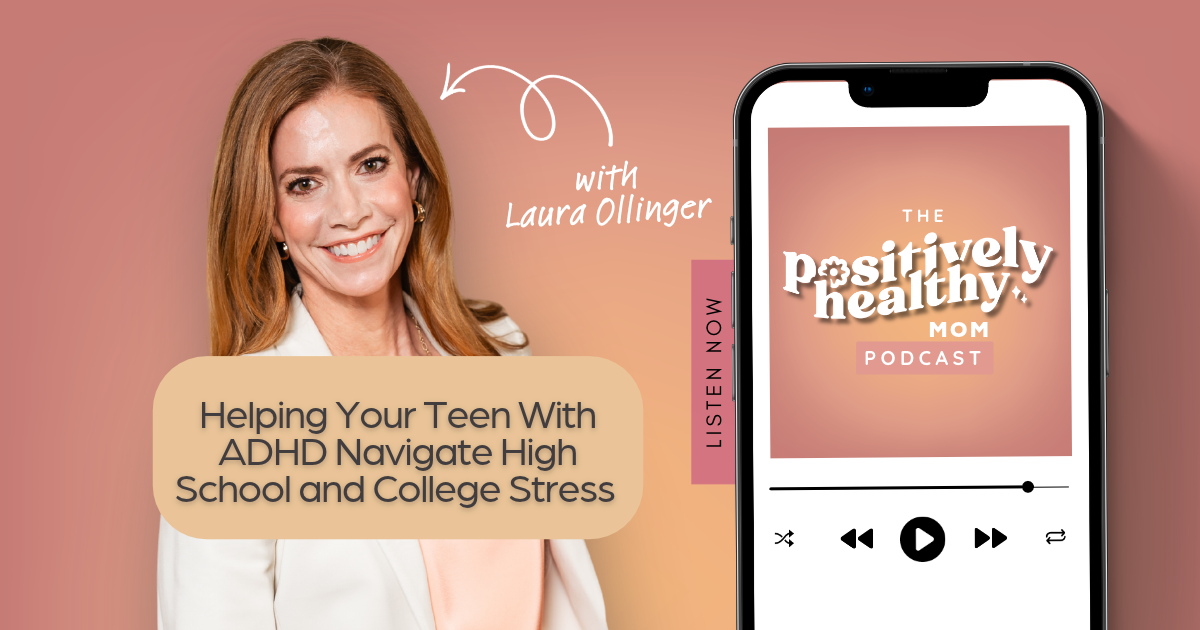
This has become a common conversation in my coaching sessions and I’m bringing the topic to my podcast.
As a teen and parent well-being coach—and a regular mom walking right alongside you in these trenches—I know how exhausting it feels when you care so deeply about your teen's success that you accidentally become their entire executive functioning system. When our teens and young adults struggle with working memory, planning, time management, or task initiation due to ADHD, our parental nervous systems often rush in to rescue them. But when we take over, we unintentionally compromise their emerging autonomy and chip away at their self-image.
Why Rigid Systems and Color-Coded Calendars Fail Teens with ADHD
Let’s be honest: when we try to hand our teens a big, beautiful, color-coded calendar or force our own hyper-organized routines onto them, it usually backfires. Why? Because it’s our system, not theirs. Emerging young adults crave autonomy and choice, and maintaining a rigid system requires a consistent executive effort that can overwhelm an ADHD brain.
When those systems inevitably fail, frustration builds on both sides. Instead of adding another thing to the list where our kids feel unsuccessful, what if we shifted our approach? What if we focused on scaffolding—providing gentle, supportive assistance without doing the work for them?
Three Simple Questions to Help Your Teen Plan Without Nagging
Moving our families from a fear-based state to a love-based state isn’t about mastering a strict set of rules or looking for an instant fix. It’s about learning how to stay anchored while our teenagers navigate their unique challenges.
Here are three simple, empowering questions we can ask to help our teens build independence through small baby steps:
What needs to be done and by when? Sit down together—perhaps on a Sunday night—and prompt them to look at their week ahead without logging into school portals for them.
What is your plan for getting this done? Instead of telling them when to start or blocking out their calendar, put the ball in their court and ask how much time they think they'll need.
What's getting in the way right now? Help them identify their actual stumbling blocks—whether it's background noise, a messy workspace, or a lack of understanding—rather than assuming laziness.
Bringing Peace and Confidence Back Home
Helping your teen navigate high school and college stress doesn't mean you have to carry the mental load for them. By embracing imperfection in our own homes, encouraging internal celebration of effort, and offering a safe space of "helped, held, or heard," we can guide them toward lasting resilience.
Take a listen to this week's podcast episode to dive deeper into how we can drop the parent guilt and support our ADHD teens with confidence and connection.
Connect with Me:
I’m Laura Ollinger, a teen and young adult well-being coach who helps moms of teens and young adults build the confidence, connection, and direction they need to guide their teen towards becoming an independent and responsible adult.
Resources and Links For Moms Of Teens And Young Adults
Coaching might help you or your teen find the confidence, connection and direction you need in this season of teen and young adult life. Reach out when you are ready to learn more about this personalized approach.
Let’s Connect On Instagram @positivelyhealthycoaching
Rate this podcast! Please take 60 seconds to leave me a 5-star review on Apple Podcasts or Spotify. Your review helps other tired, searching moms find our community!